

The discussion on how to handle short-term rentals in Bracebridge is not done yet.
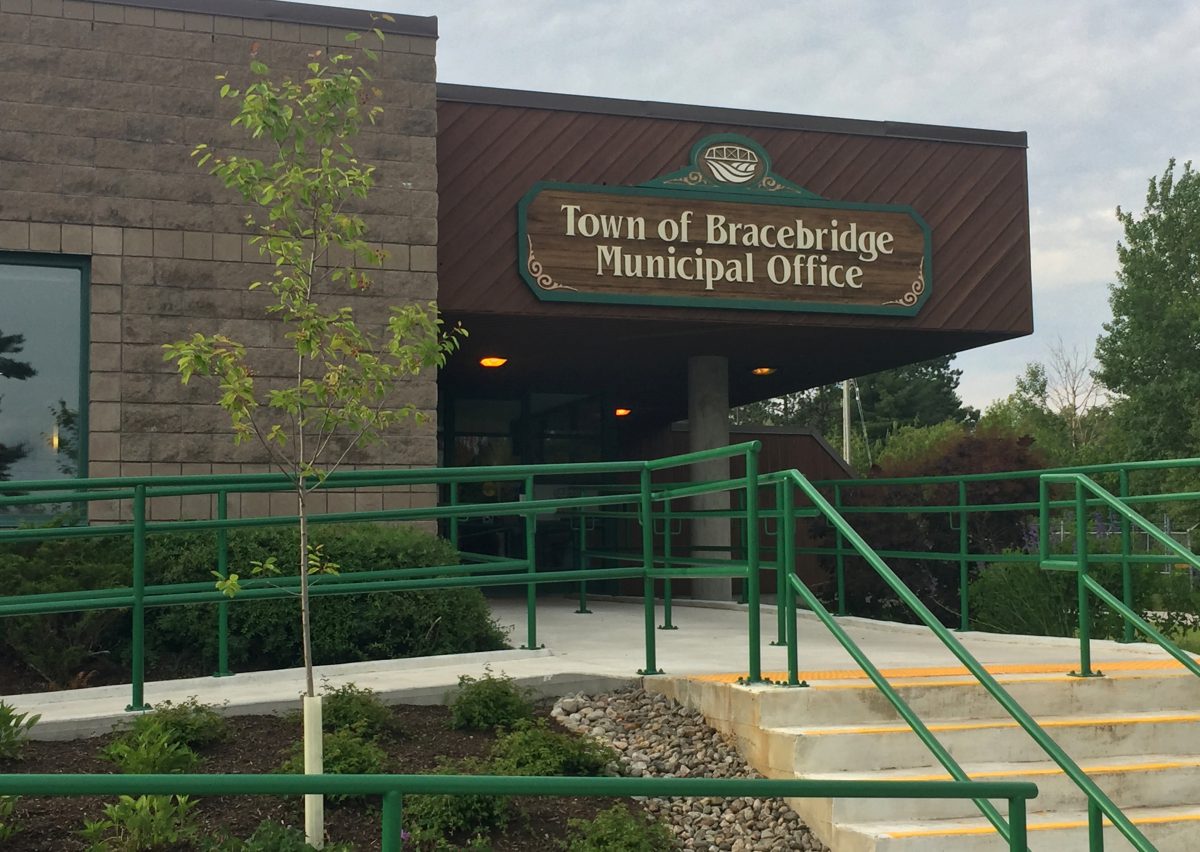
During the April 11 General Committee meeting, Bracebridge councillors spent close to three hours discussing a report done by WSP Canada Inc. The organization was brought in last year to help develop a short-term rental program for Bracebridge.
In their report, WSP recommends replacing the short-term control by-law that was put in place last year be replaced with a more comprehensive version. It would include changes to the eligibility and safety requirements as well as occupancy standards and a maximum number of licences that can be issued.
They also recommend making it clearer where short-term rentals are allowed to be within Bracebridge.
As well, they suggest doing a feasibility study on implementing a transient accommodation tax in Bracebridge.
The tax, if approved, would apply to short-term rentals, as well as traditional forms of overnight accommodation like hotels, motels, and bed & breakfasts. In their report, WSP explains the tax, which could be as high as four percent, would see accommodation providers collect the tax from guests and give the funds to the municipality on a monthly basis. The town must use 50 percent of the collected revenue to an eligible marketing organization to promote tourism in the town. The other half can go towards general revenues, according to the report.
“Staff have concluded that there is insufficient evidence to recommend dedicating the significant time and resources required to implement WSP’s recommendations at this time,” wrote Stephen Rettie, Chief Administrative Officer, in his report to General Committee.
He wrote that while WSP believes a more restrictive licencing by-law be created, the data staff have has led them to believe that’s not necessary. Rettie said between March 2022 and March 2023, they received 33 calls about short-term rentals resulting in 11 infractions. Rettie notes most infractions were dealt with through “voluntary compliance.”
“We believe our processes are sound,” said Rettie.
Since the licencing by-law was put in place, Rettie said 32 applications have been approved with five still pending.
Coun. Archie Buie argued there have been more complaints than that. The issue is, he said, is not all of them get reported to staff. Buie said he and other ward councillors hear complaints often.
“I’m not sure how we can close that gap so our chief by-law officer, our planning department, can get that information and take away from the anecdotal and make it factual,” responded Mayor Rick Maloney.
He said to be able to move forward properly, they need to have enough data to allow council and staff to make fact-based decisions.
In WSP’s report, they say they are nearly 300 active short-term rental listings on Airbnb and Vrbo. However, Matt Alexander, Practice Lead with WSP, said that number tends to fluctuate. He added WSP began work on the report in Aug. 2022. The only consistent number, he explains, is the number of commercial operations. However, they weren’t able to differentiate those from the listings.
“Although WSP has recommended that a more restrictive licensing by-law be implemented, the licensing activity and calls for service do not clearly indicate that this course of action is an efficient use of municipal resources,” said Rettie.
After a nearly three-hour-long discussion, council ended up disagreeing with staff’s recommendation to not implement any of WSP’s ideas. They asked staff to work on a report to strengthen the short-term rental by-law and do a feasibility study on the transient accommodation tax and report back to committee at a later date.
While the work was approved by General Committee, it still needs to be given a thumbs up by council during the April 19 meeting. meeting.
“Too often we’re reactive around this table,” said Coun. Don Smith. “We are being somewhat reactive in this case but I think what we’re doing under this proposal is being proactive.